Asbestos is a mineral that was previously widely used in building materials due to its insulating and fire-resistant properties. Materials such as roof tiles, floor tiles, insulation, and pipes could be reinforced with asbestos, making them both durable and heat-resistant. Today, we know that asbestos fibers are dangerous. When materials containing asbestos are damaged or processed, microscopic fibers are released into the air. If inhaled, they can cause serious lung diseases such as asbestosis and lung cancer.
However, it is important to understand that intact asbestos in buildings is not dangerous. The fibers only become hazardous when the material is damaged or processed, which makes proper remediation and the right equipment crucial during renovation or demolition.
When are asbestos fibers released and why is it dangerous?
Exposure occurs during work such as demolition, grinding, or drilling of materials containing asbestos. Even minor damage to insulation or floor tiles can release fibers. Proper protective equipment and planned workflows are crucial to minimizing risks to both personnel and the work environment.
What equipment is needed for professional asbestos removal?
Effective remediation relies on both personal protective equipment and specialized tools. The most important products for remediation workers are:
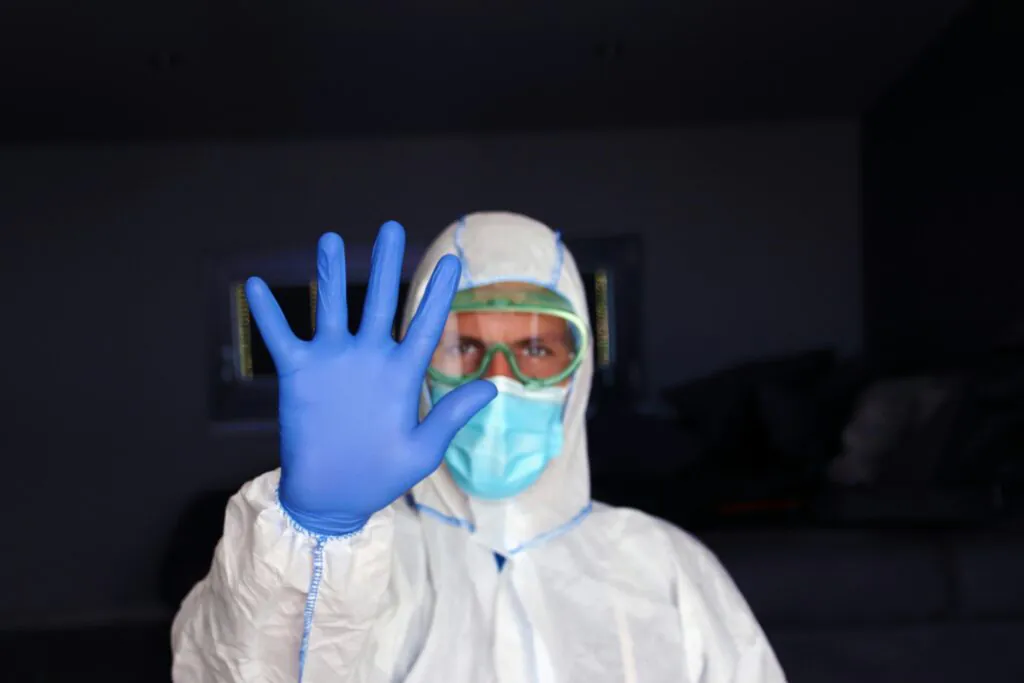
- Protective suits, gloves, and visors that protect against direct contact with fibers.
- Respiratory masks with approved filters to filter out microscopic fibers.
- Binding agent that encapsulates fibers on materials to be removed.
- Glovebags forspot applications where small pieces of material are isolated.
- Asbestos airlocks that create controlled transitions between work zones.
- Waste bags and tape for safe transport and storage of removed material.
The right combination of equipment and a planned workflow are crucial for safe and effective remediation.
The process of asbestos remediation
Asbestos removal is a carefully planned process. It begins with an assessment of the work area and planning of the workflow, including the placement of airlocks and waste collection points. Materials to be removed are treated with binders and, if necessary, isolated with glove bags or plastic covers. During removal, personal protective equipment is used, and the material is transported directly to approved waste bags or containers. Finally, the work surfaces are thoroughly cleaned and inspected before the area is returned, ensuring that no fibers are spread.
For remediation specialists, it is important to understand how equipment and workflows interact to create controlled and efficient remediation work.
Alron – complete equipment and advice for remediation contractors
For companies and remediation contractors who want to ensure maximum safety, Alron offers a complete range of asbestos equipment. This includes protective suits, gloves, respirators, binders, glove bags, asbestos sluices, waste bags, and tape.
Contact ustoday if you need advice on which products are best suited to your project. With the right equipment and expert advice, remediation work becomes safe, controlled, and efficient, regardless of the scope of the project.